

Marley Dance Floor Buying Guide
What Is Marley Flooring, and Why Does It Matter
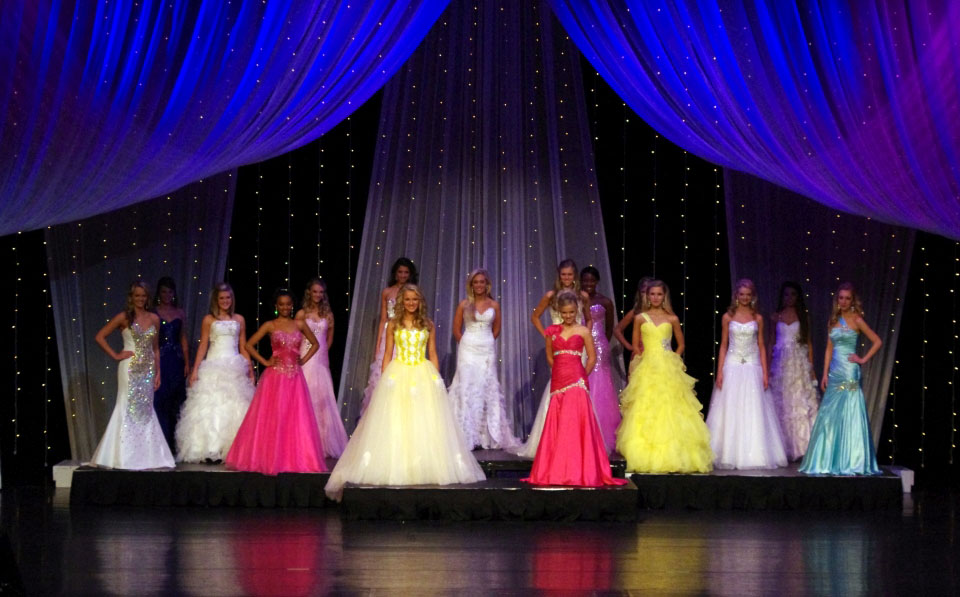
Marley Flooring is the rollout vinyl surface used to provide cushion for dancers and performers while protecting the stage floor beneath it. It provides consistent grip and give, which is why it's become the standard for dance studios, stages, and touring productions rather than performing directly on wood, tile, or gym flooring.
Portable vs. Permanent Installation
Portable rollout flooring suits touring companies and multi-use spaces — it unrolls for a rehearsal or performance and rolls back up for storage afterward. Semi-permanent, taped-down flooring suits a dedicated dance studio or performance space that doesn't need to change configuration often, and can offer a slightly more stable surface underfoot.
Reversible (Two-Tone) vs. Single-Sided Floors
A reversible floor provides you with two different color options — typically black on one side and grey or another tone on the other — so it can be flipped for a different look or once one of the sides starts to look worn. It's a practical way to extend usable life and add flexibility without buying two separate floors. Our single-sided floors offer more stylish options, like high-gloss black or metallic.
High gloss marley dance flooring
Thickness and Durability
Lighter-gauge flooring is easier to roll, transport, and store, making it the right choice for touring or occasional portable use. Heavier-gauge flooring holds up better under daily traffic in a busy studio, but can be heavier and more difficult to move and store.
Sizing Your Space Correctly
Get accurate measurements of your stage or studio before ordering, including any irregular edges. Larger areas typically require multiple panels seamed together with dance floor tape at the joins — our Stageperts can help you plan panel layout and seaming so the finished floor performs like one continuous surface.
Care, Storage & Lifespan
Rolling vinyl flooring out in the correct direction (as manufactured) prevents creases and cracks over time. Always clean with vinyl safe products – never harsh solvents – and store rolled flooring at a stable temperature to avoid stiffening or warping between uses.
Budgeting by Use Case
An occasional-use school stage floor doesn't require the same investment as a dance studio running classes daily, or a touring company rolling and unrolling flooring dozens of times a season. We can recommend thickness and style matched to how hard your floor will actually need to work.
Frequently Asked Questions
Q: How long does a marley dance floor last?
A: With proper care and rotation, quality marley flooring can last for many years of regular use. Durability depends most on thickness, how much traffic it sees, and how it's stored between uses.
Q: Can marley flooring go over any existing stage surface?
A: Most stage and gym floors work fine as a subfloor, but very uneven or damaged surfaces should be addressed first to keep the finished floor safe and consistent underfoot.
Q: What color dance floor should I choose?
A: Black is the most common choice because it hides wear and creates contrast for performers, but gray and other tones are popular for studios and film or photo use — a reversible floor lets you have both in one product.
Tell us your stage or studio dimensions and how often the floor will be used, and one of our Stageperts will help you select the perfect dance flooring for your space.
Shop our entire line of production supplies or get a custom quote.
Subcategories